


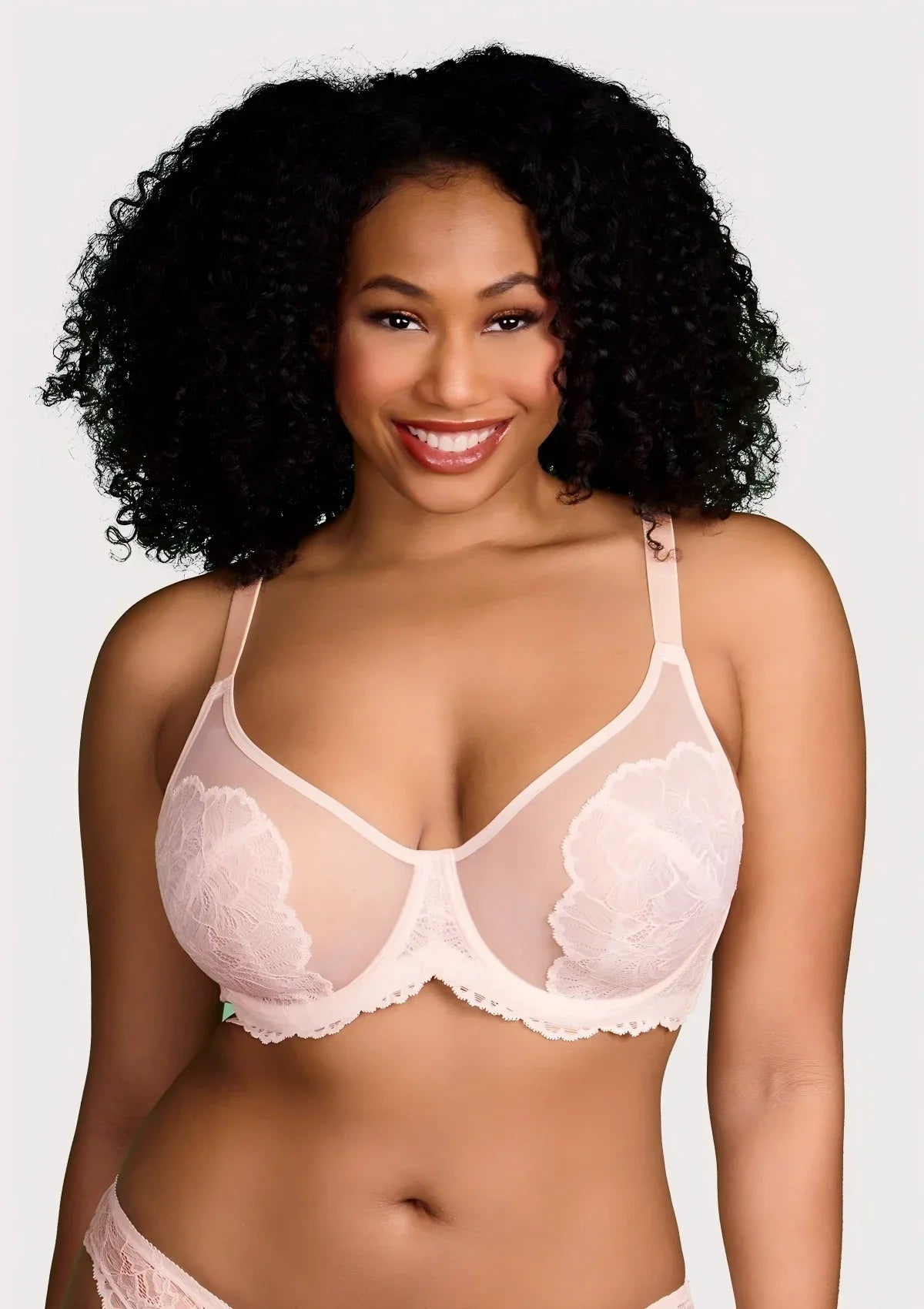


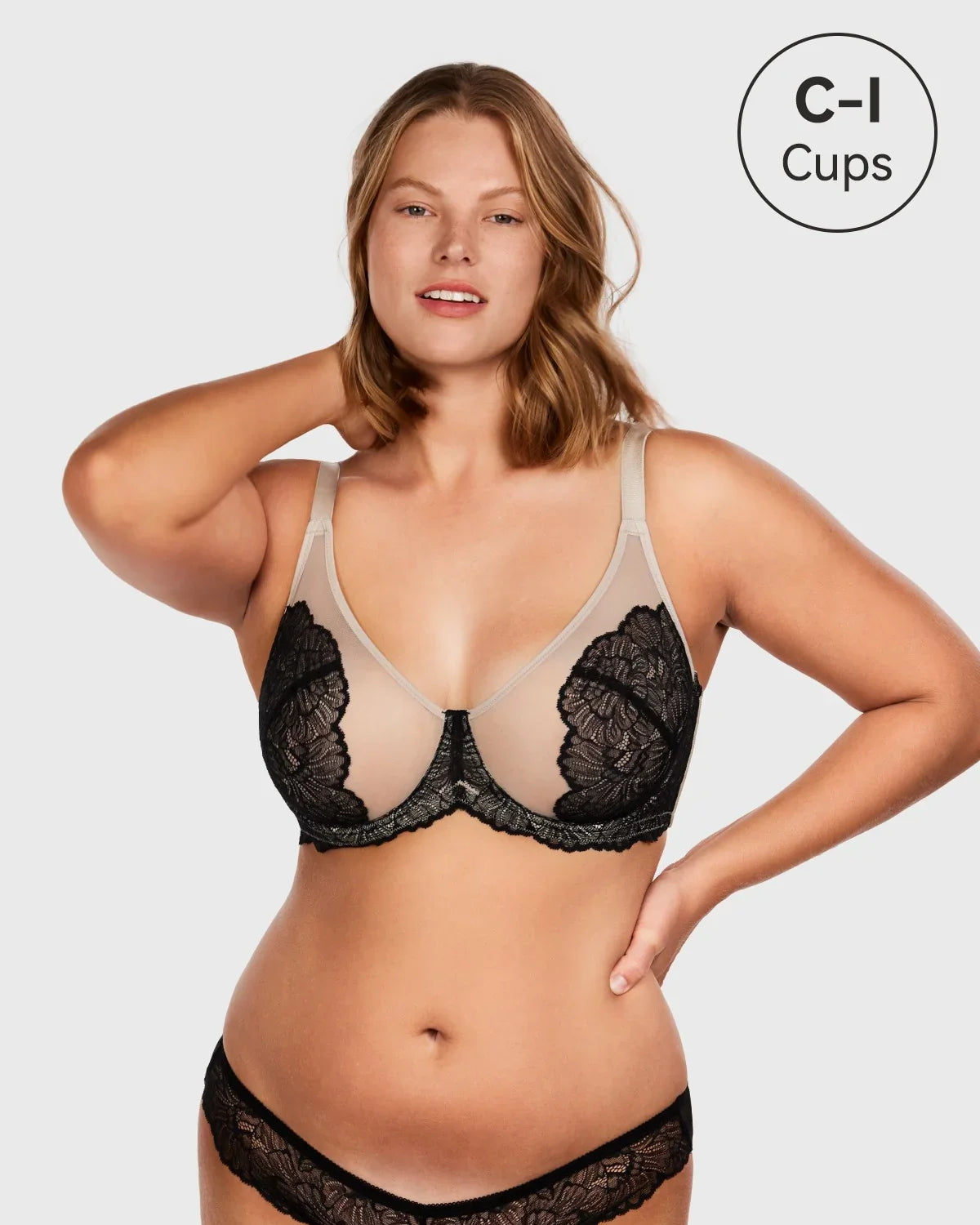
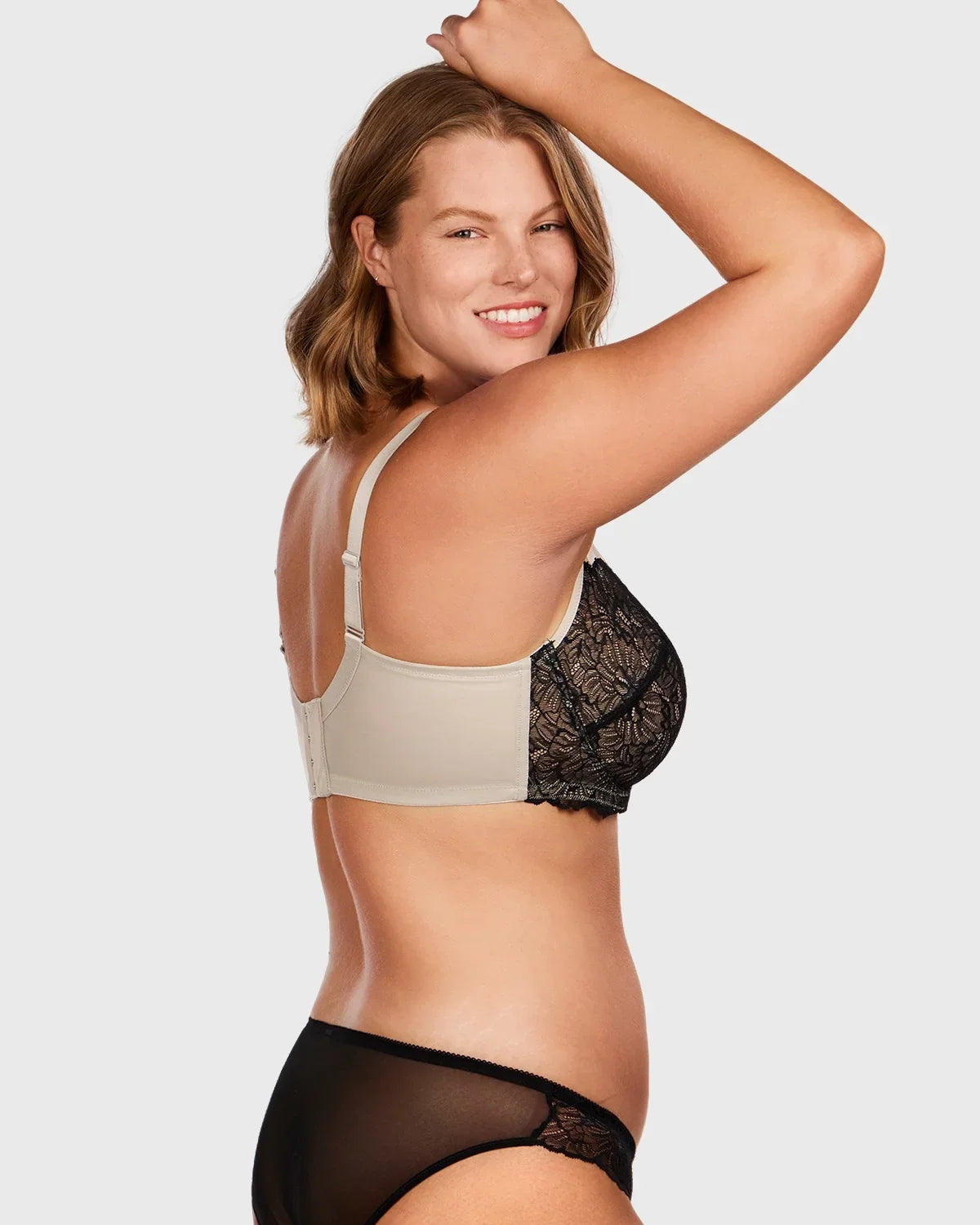
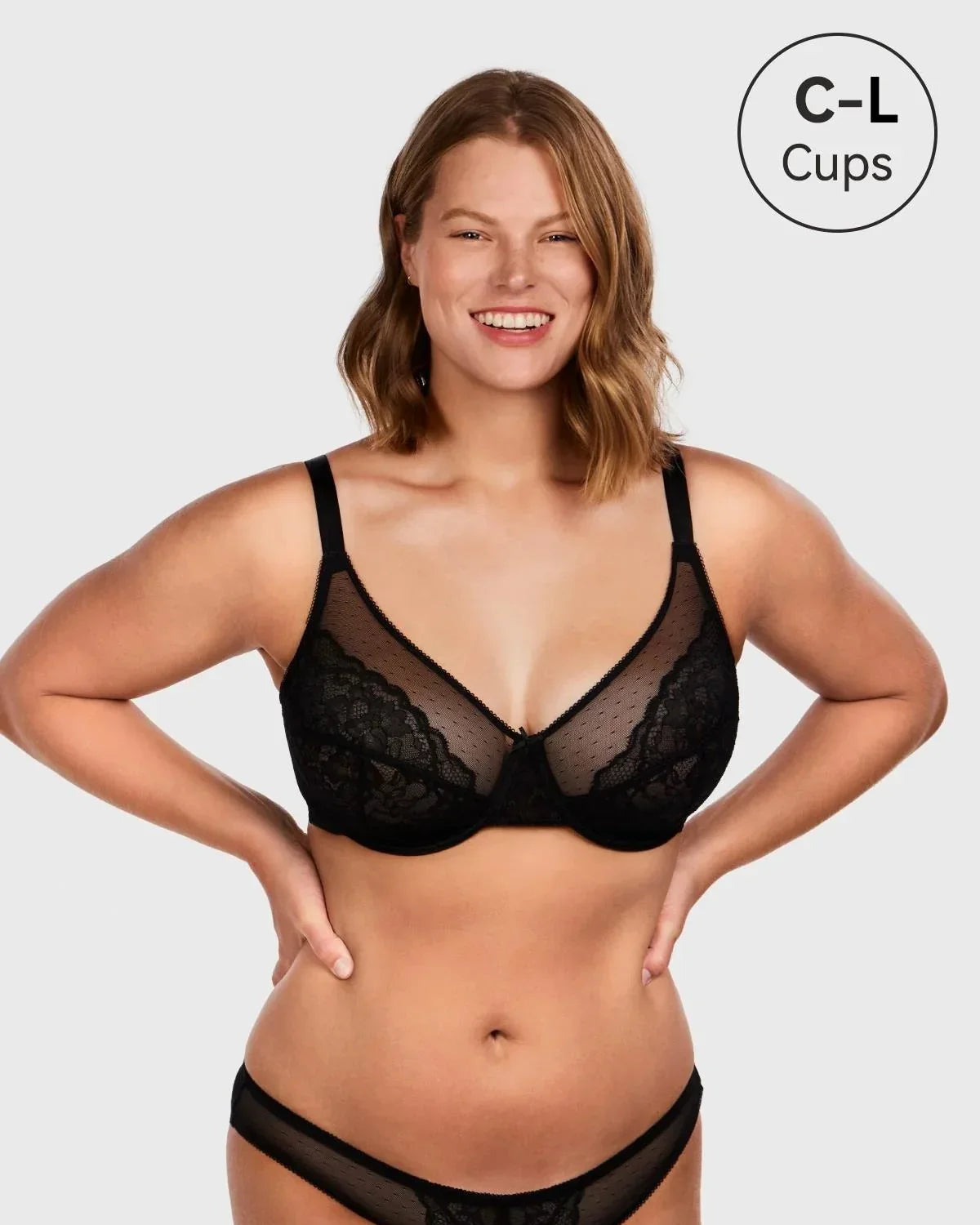
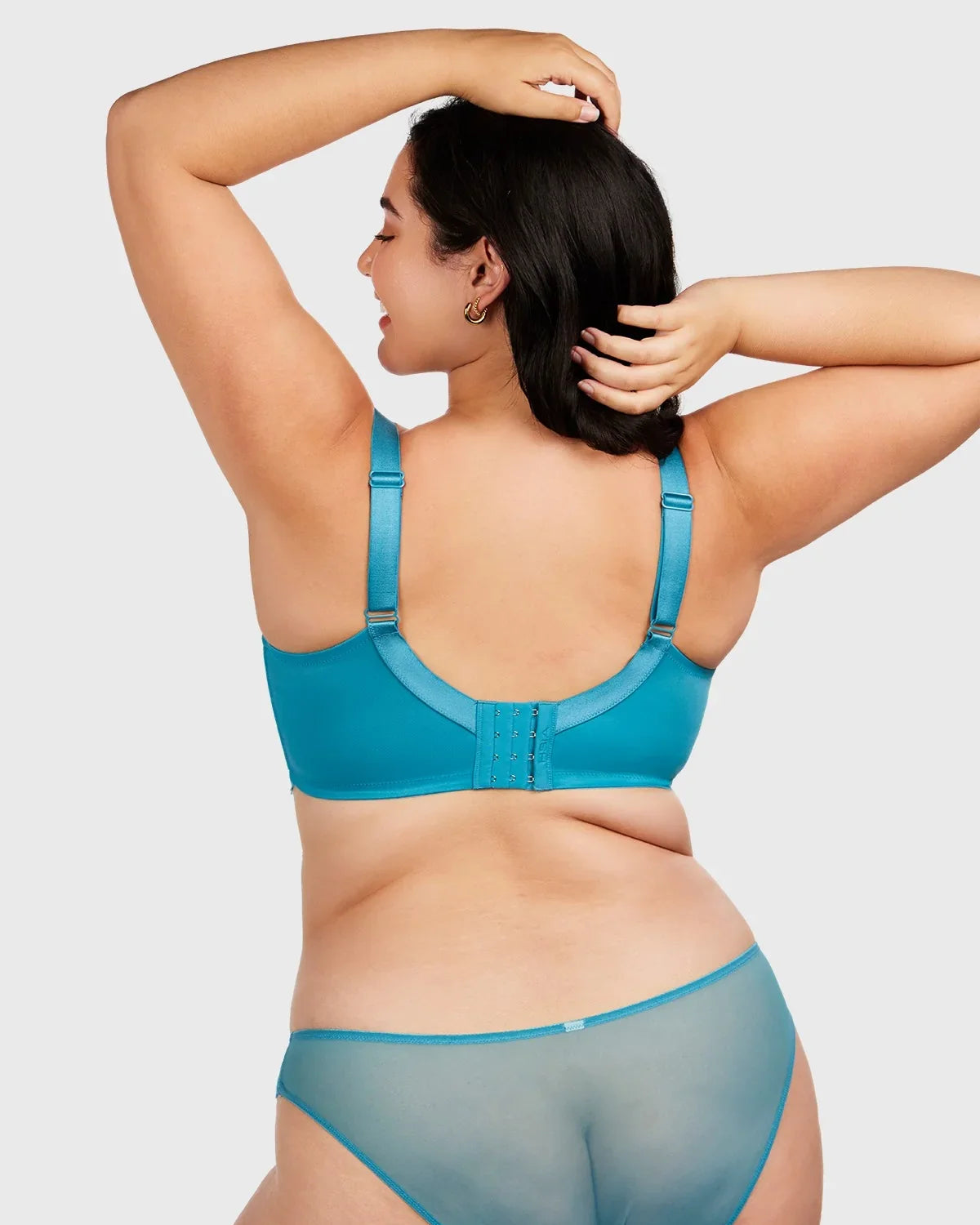
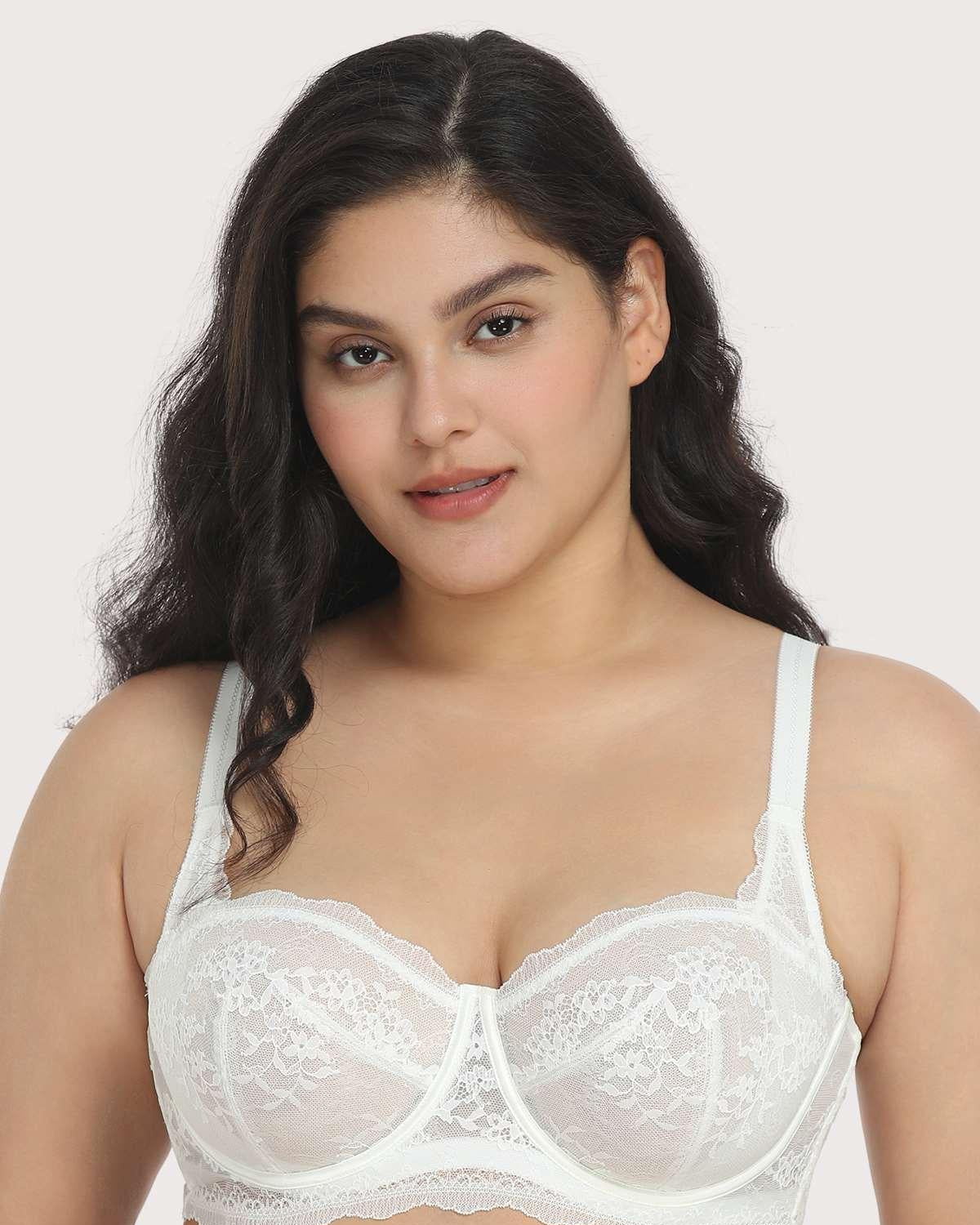


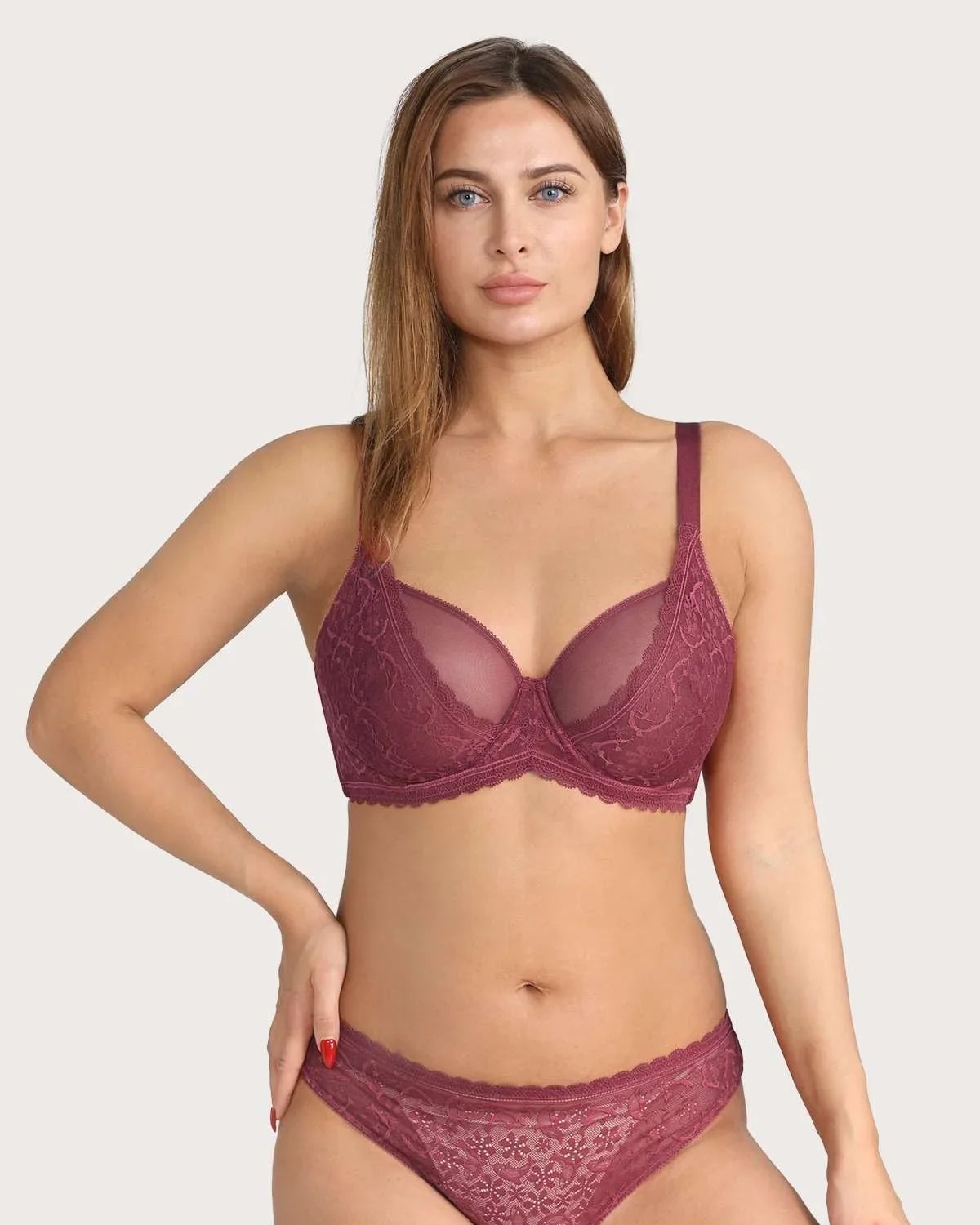
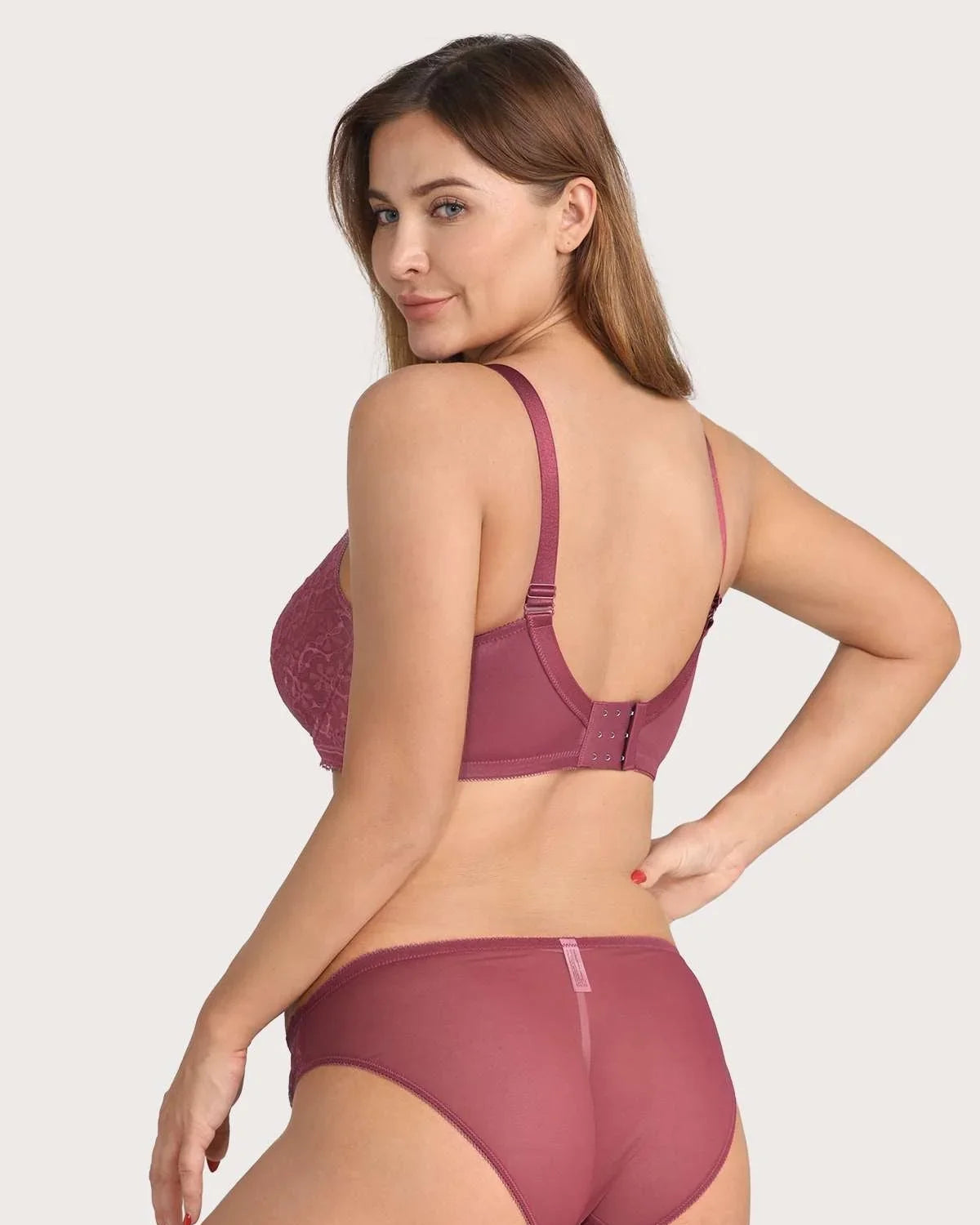









Choosing a bra for DD–I cups
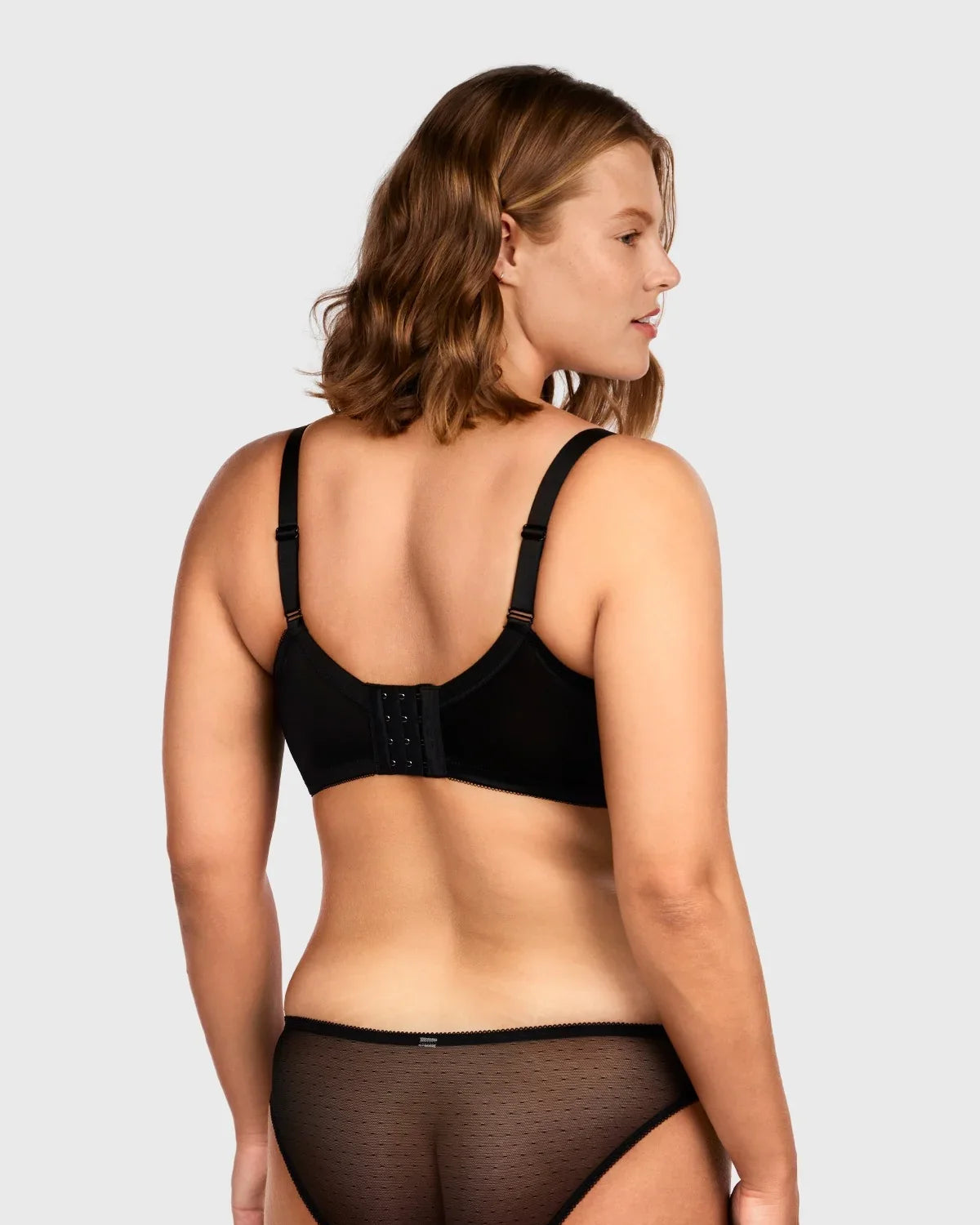
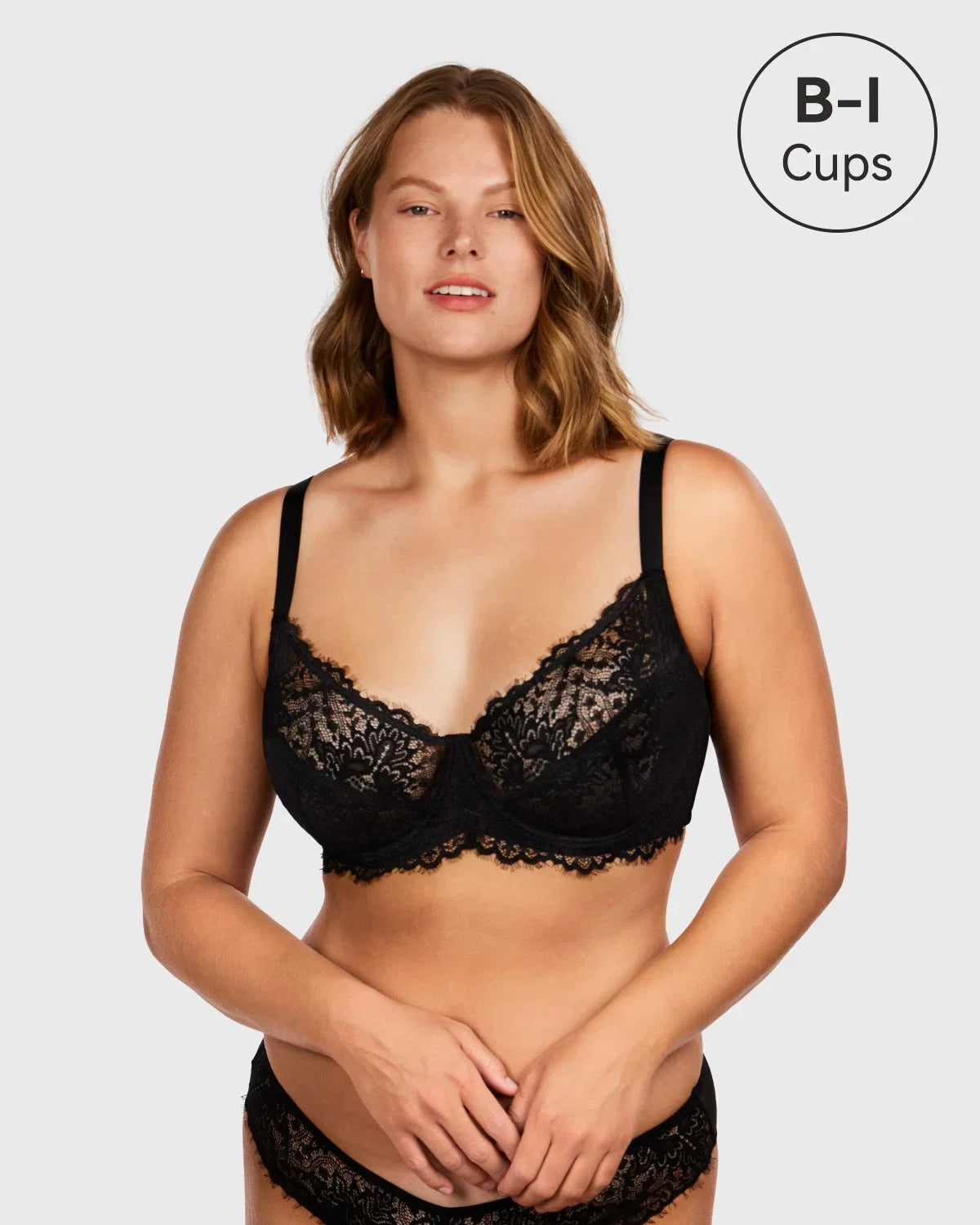
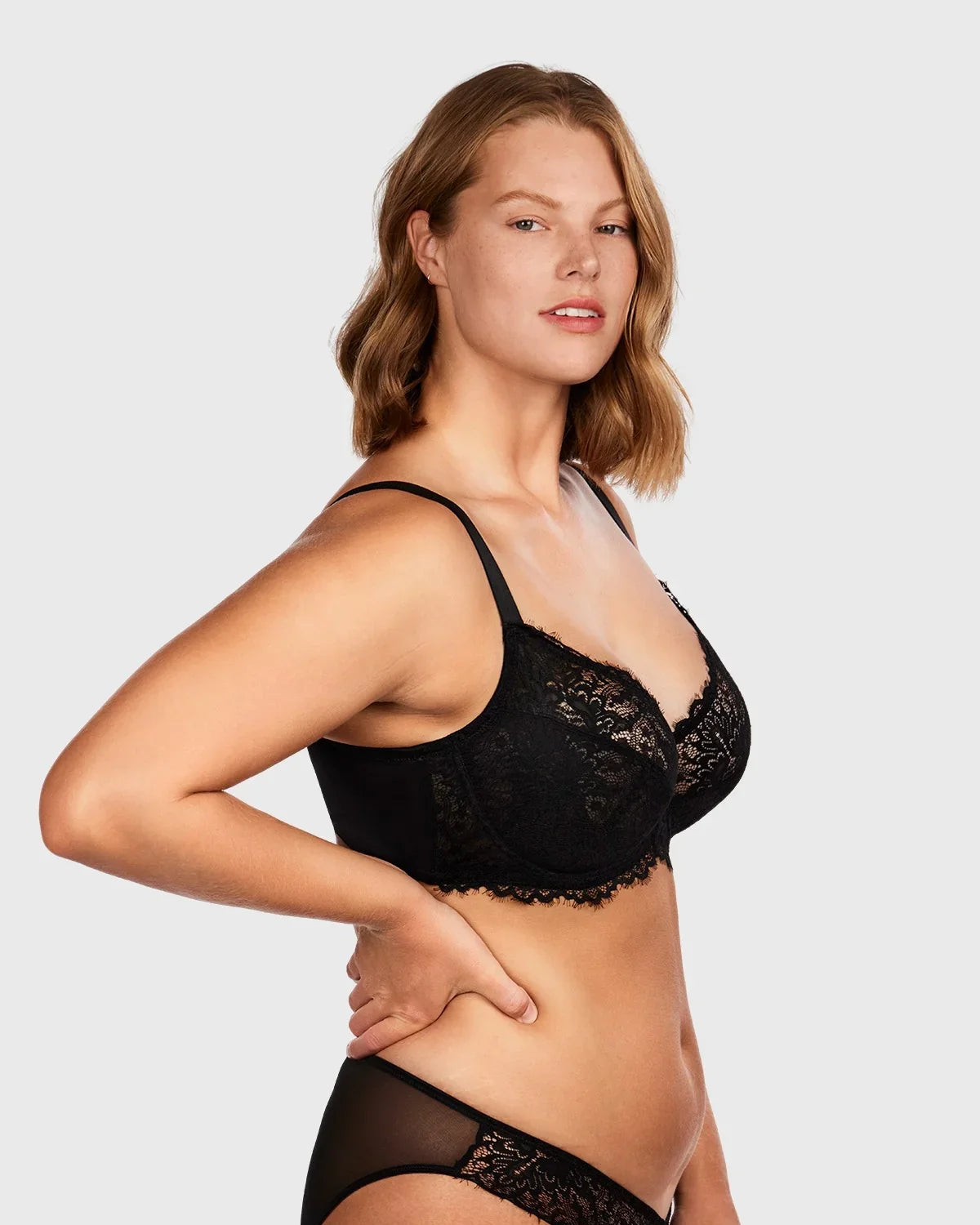
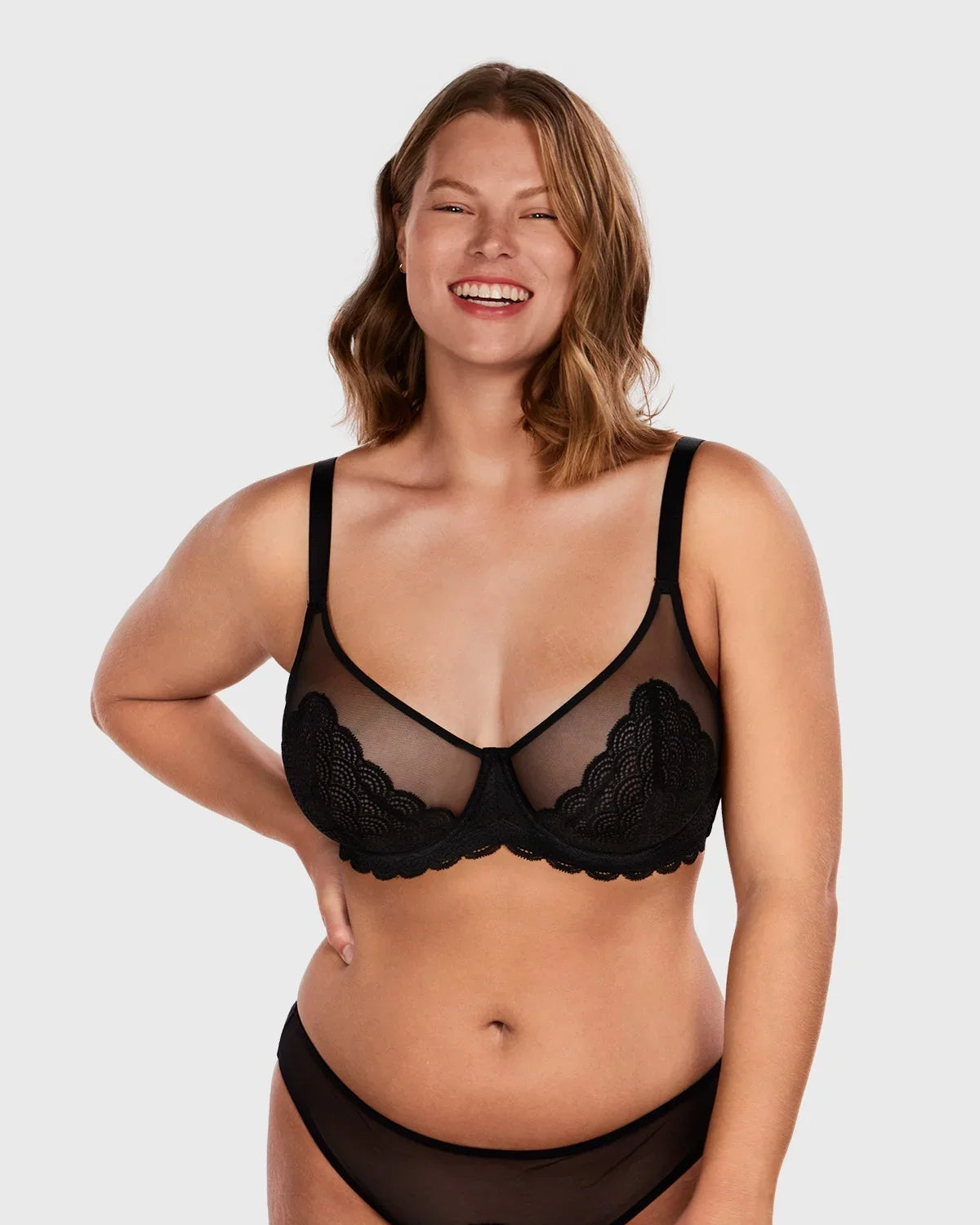
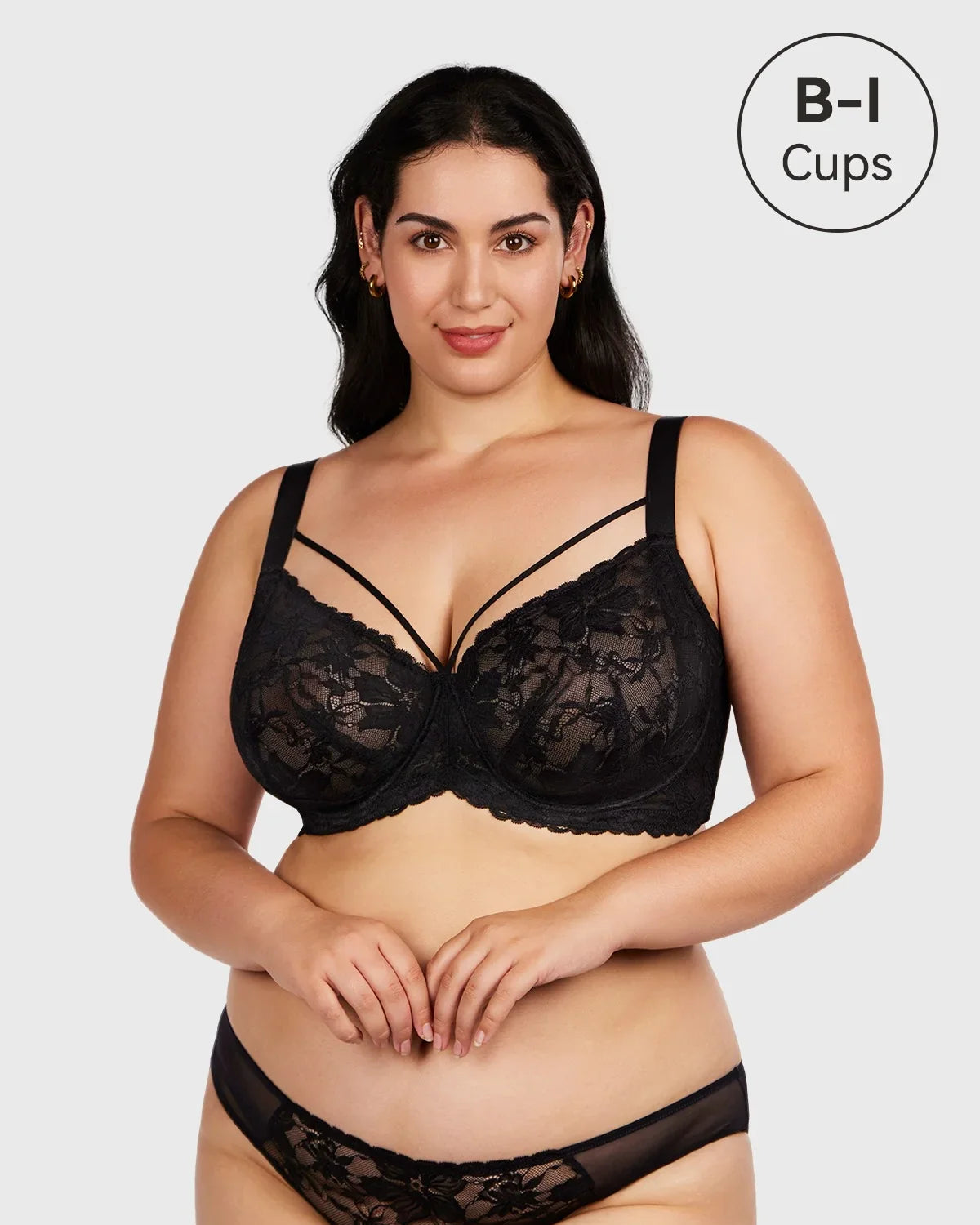
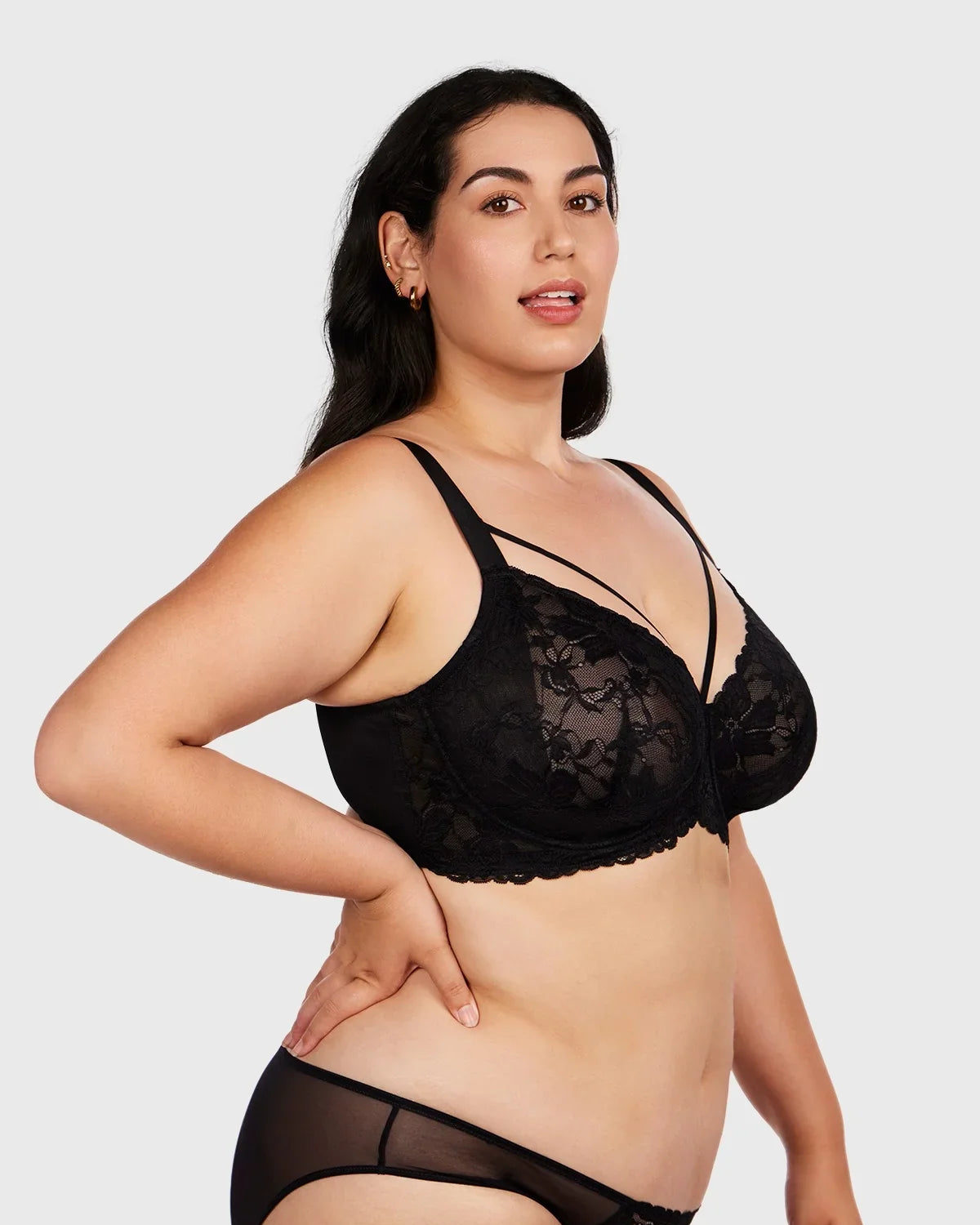
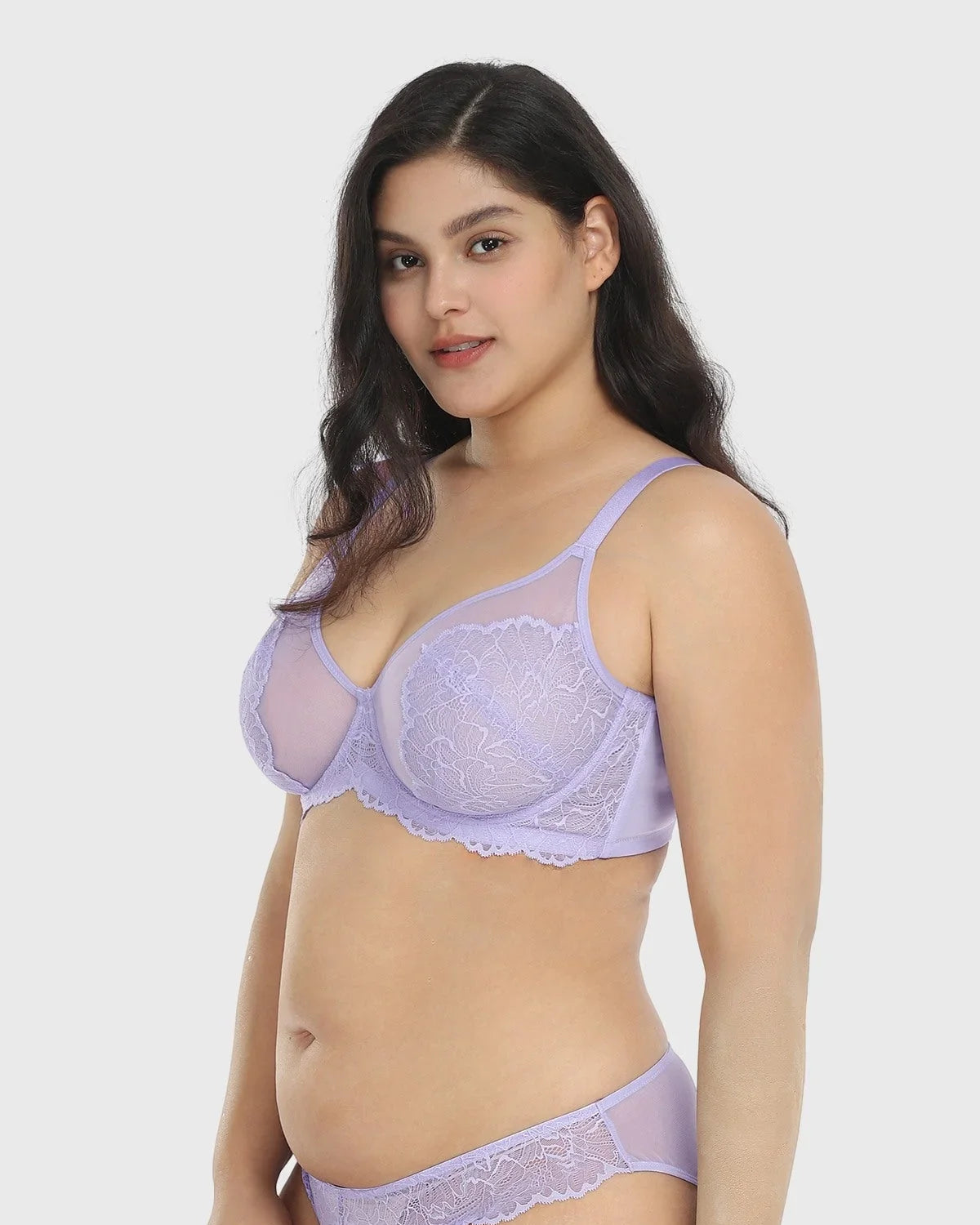
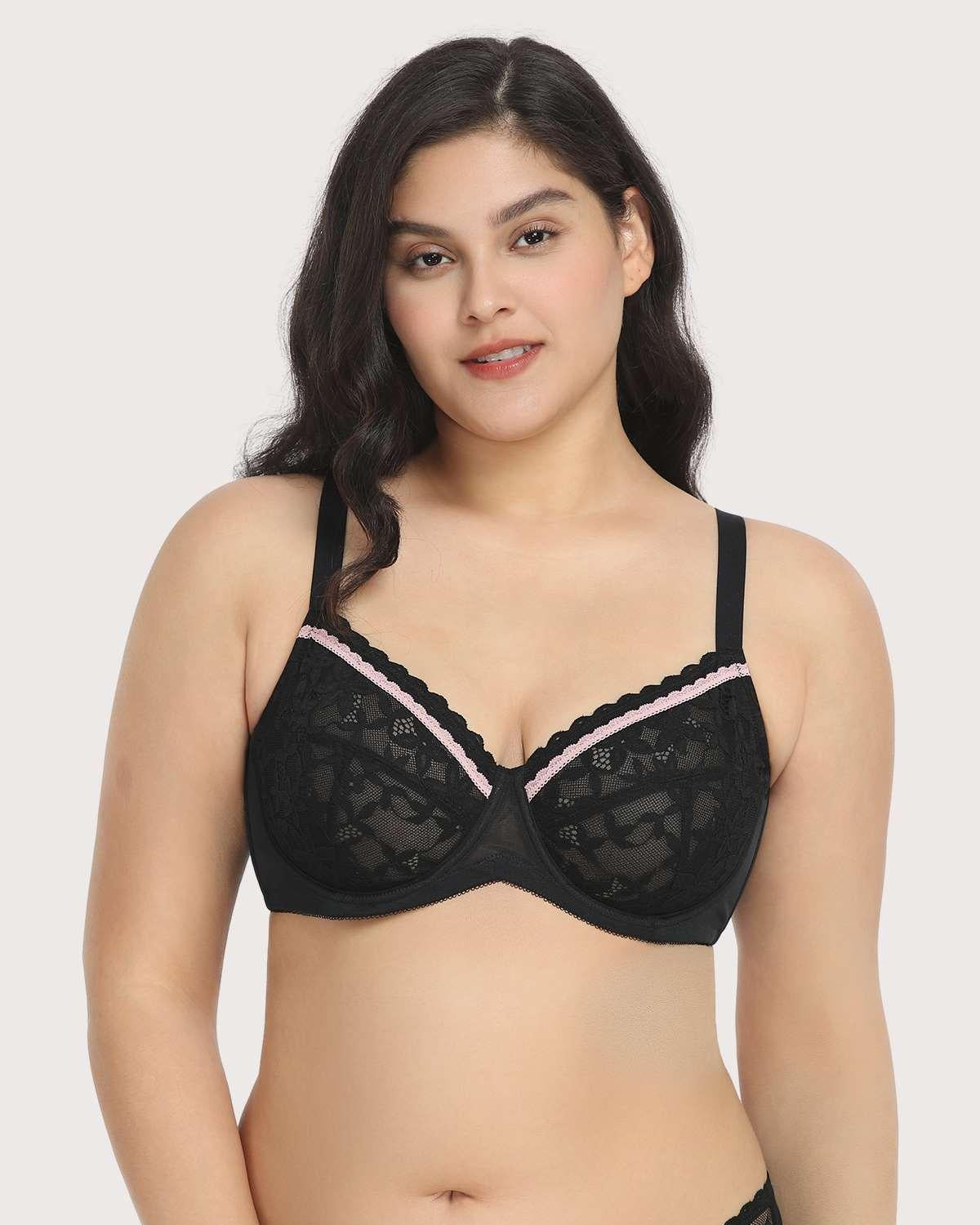
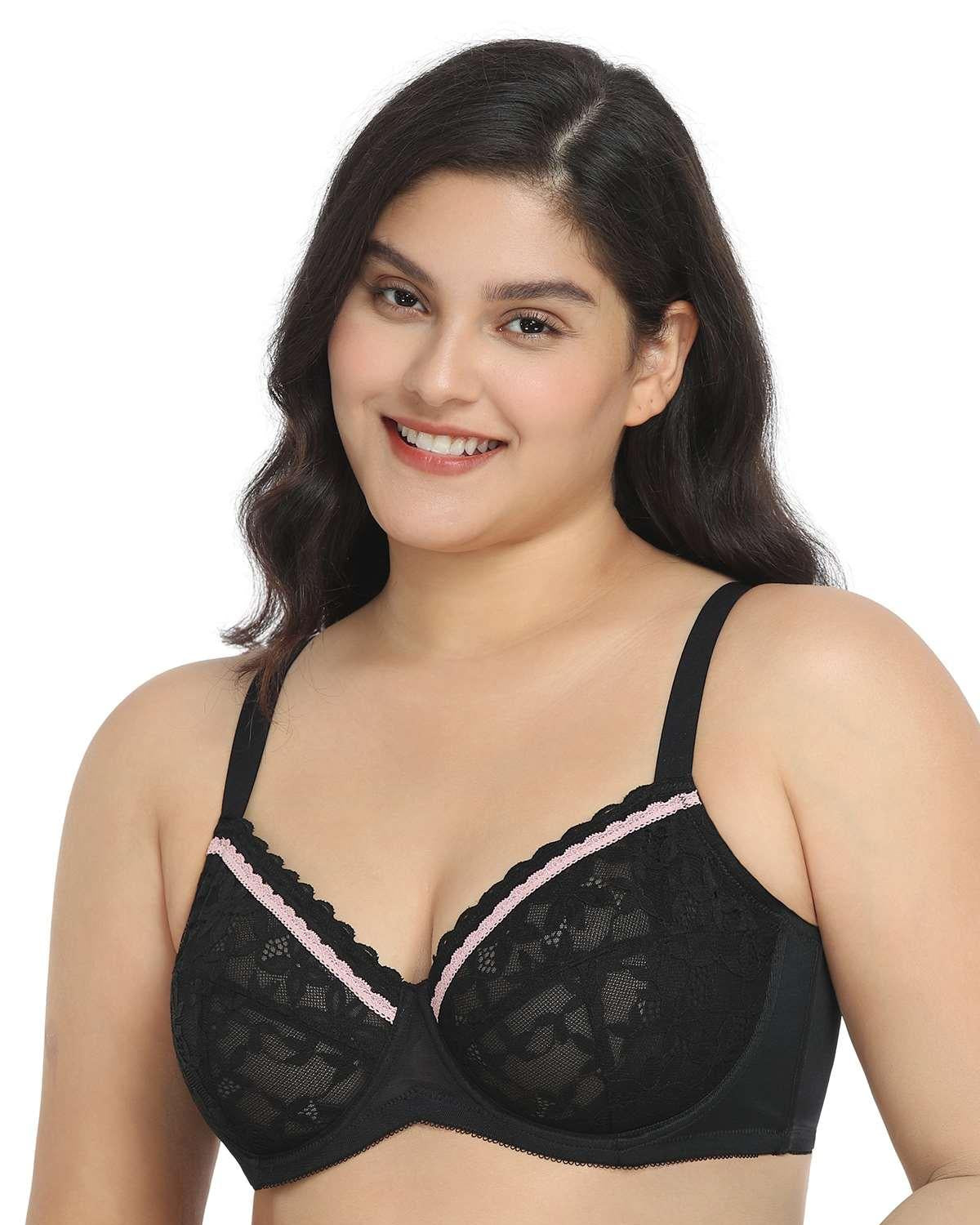
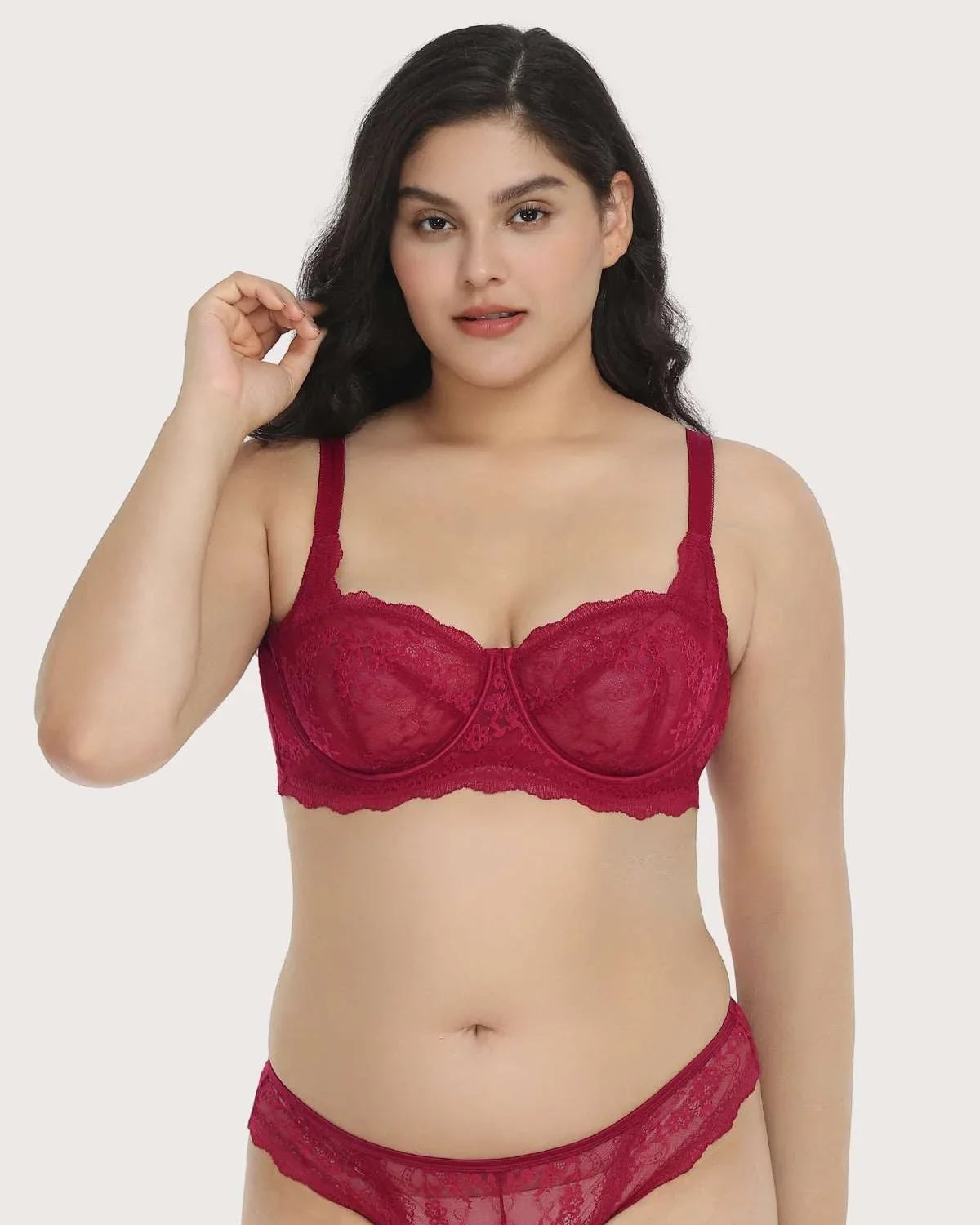
Start with the clothes you wear most. A smooth cup sits neatly under a fitted tee, while a seamed lace cup gives shape without extra padding. If you prefer more coverage at the neckline, look for a full-coverage style in your band and cup size.
How DD–I cup sizes work
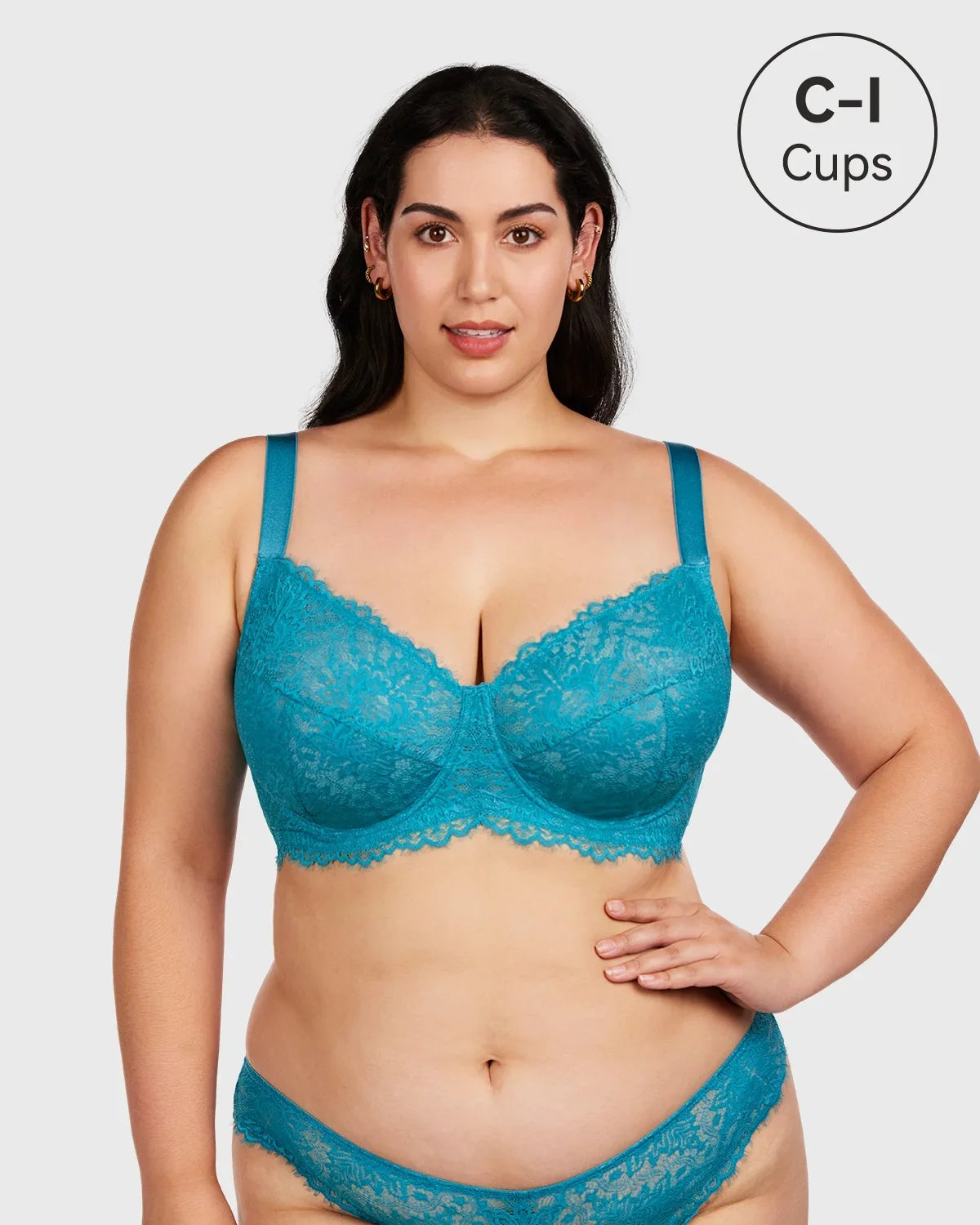
On HSIA’s size selector, DD/E and DDD/F are paired labels. The next cup sizes are G, H and I. Compare cup letters within the same band size: a 36G has more cup volume than a 34G. Check the size options on each bra to see which combinations are available.
Tailored Styles for Fuller Busts
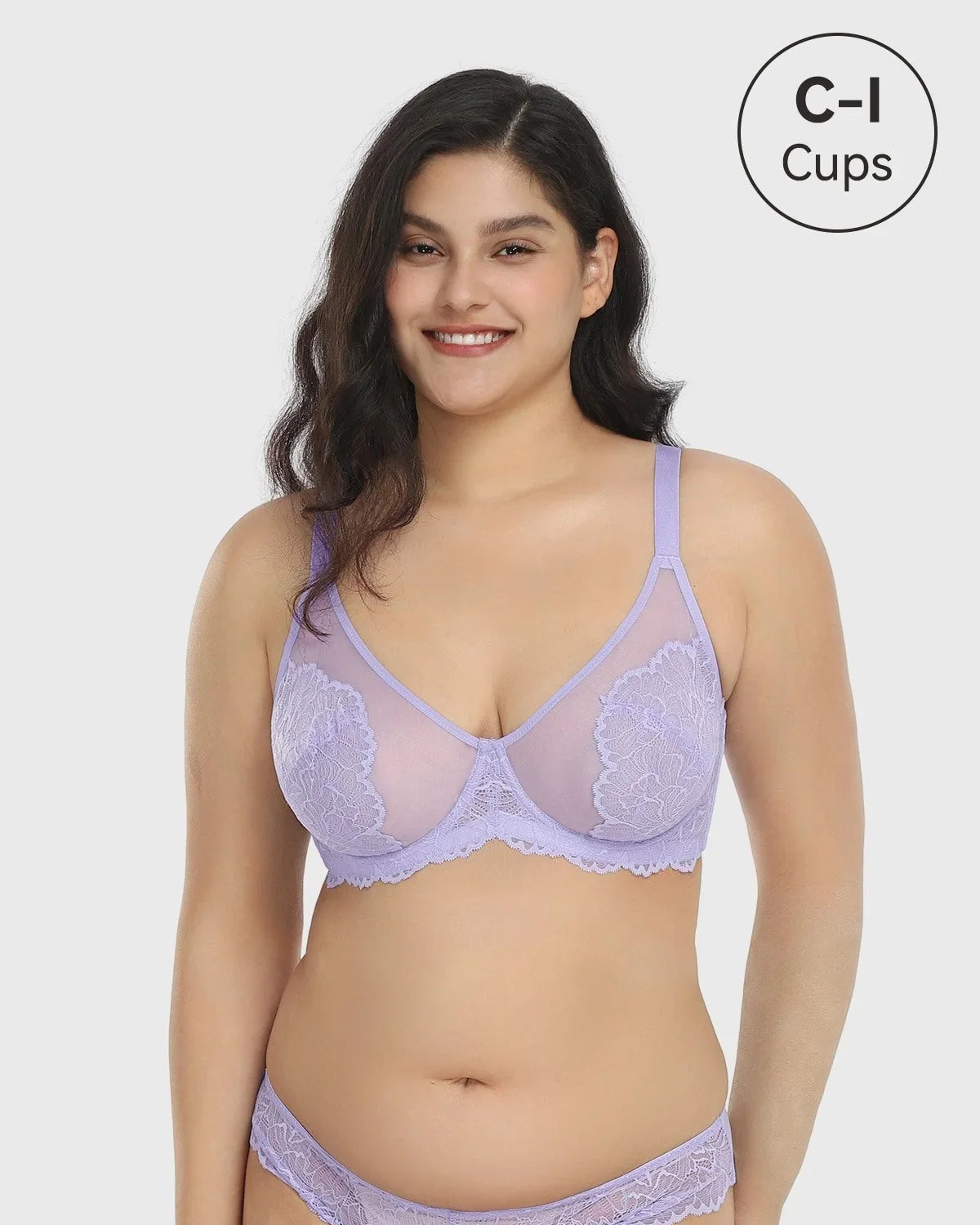
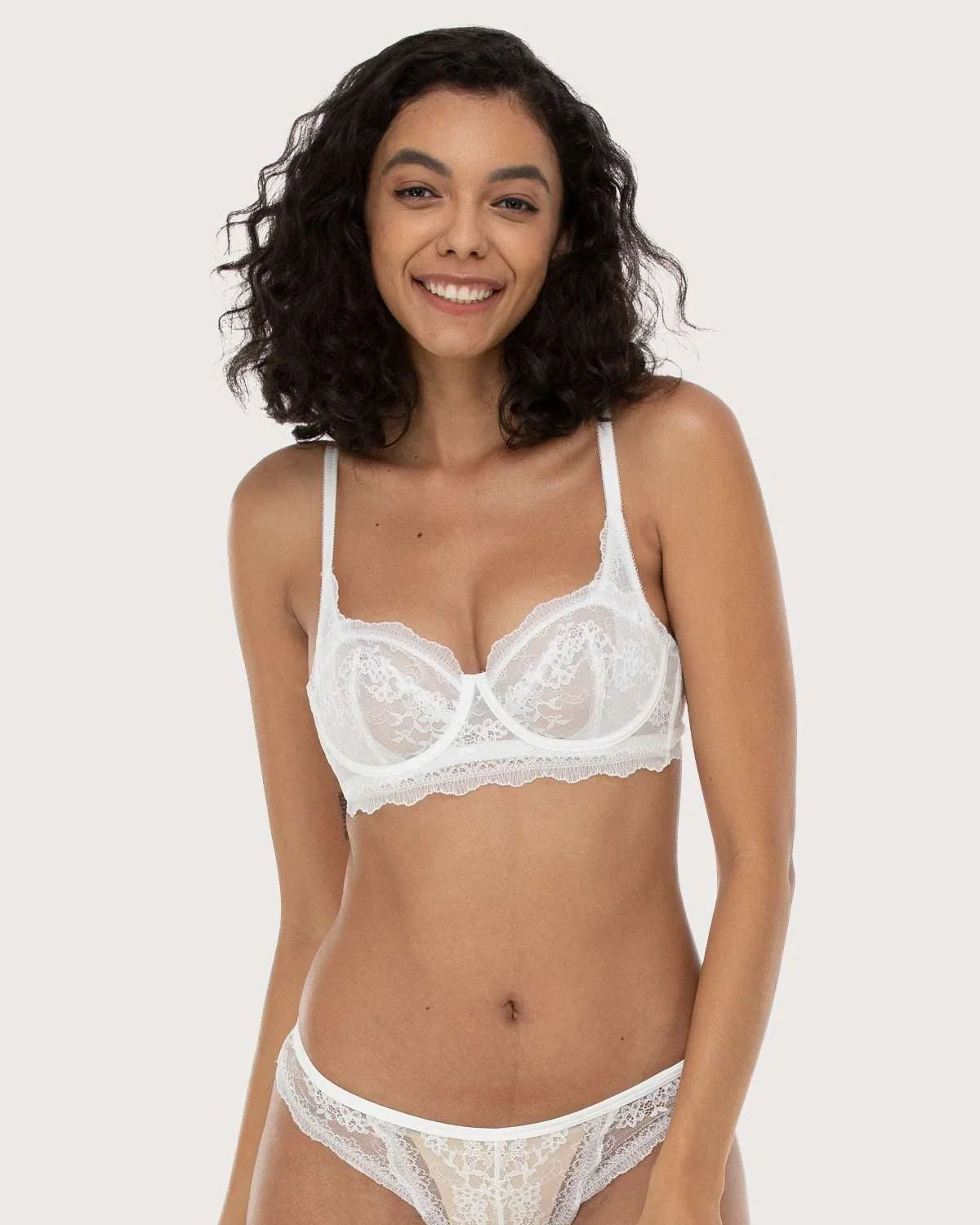
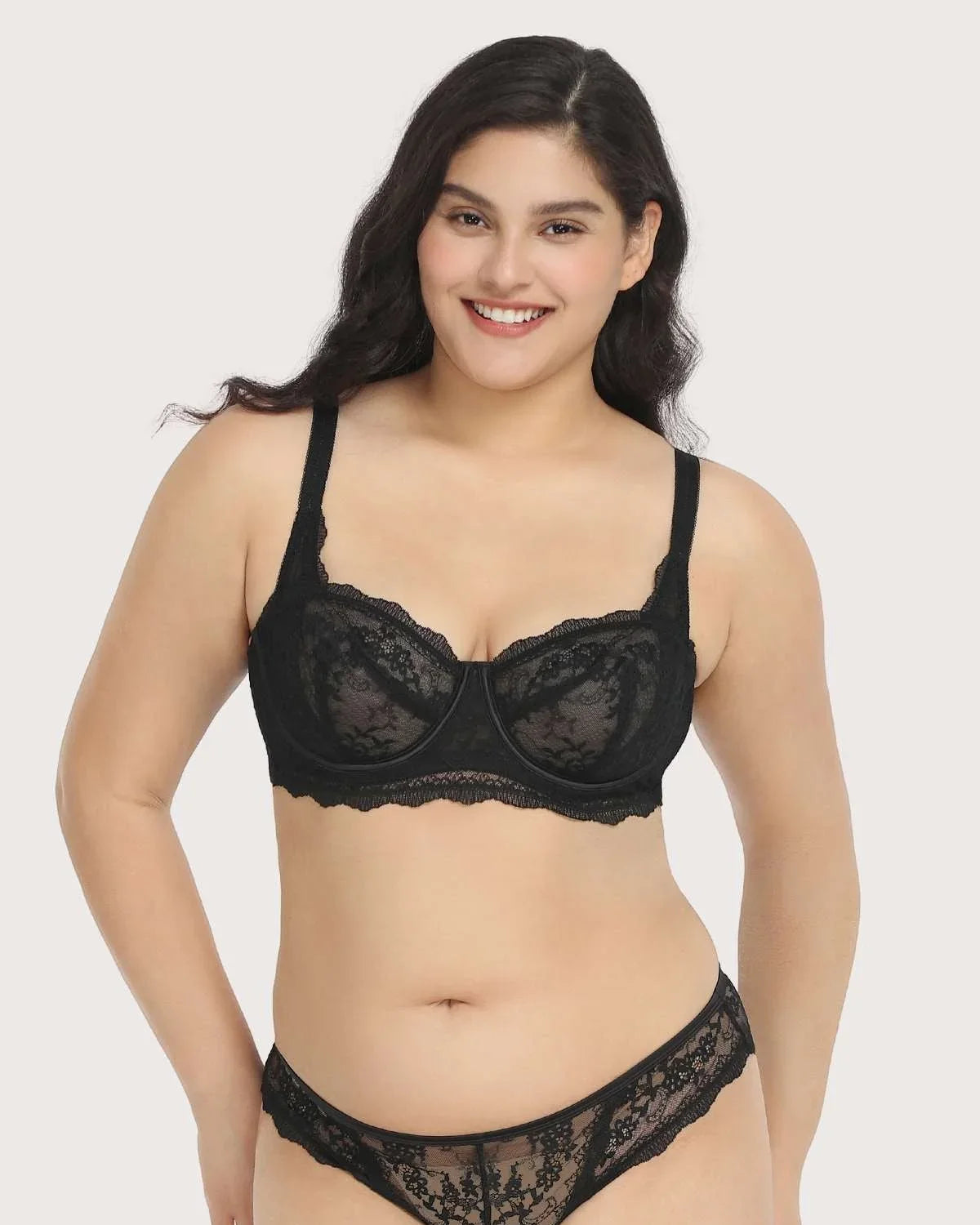
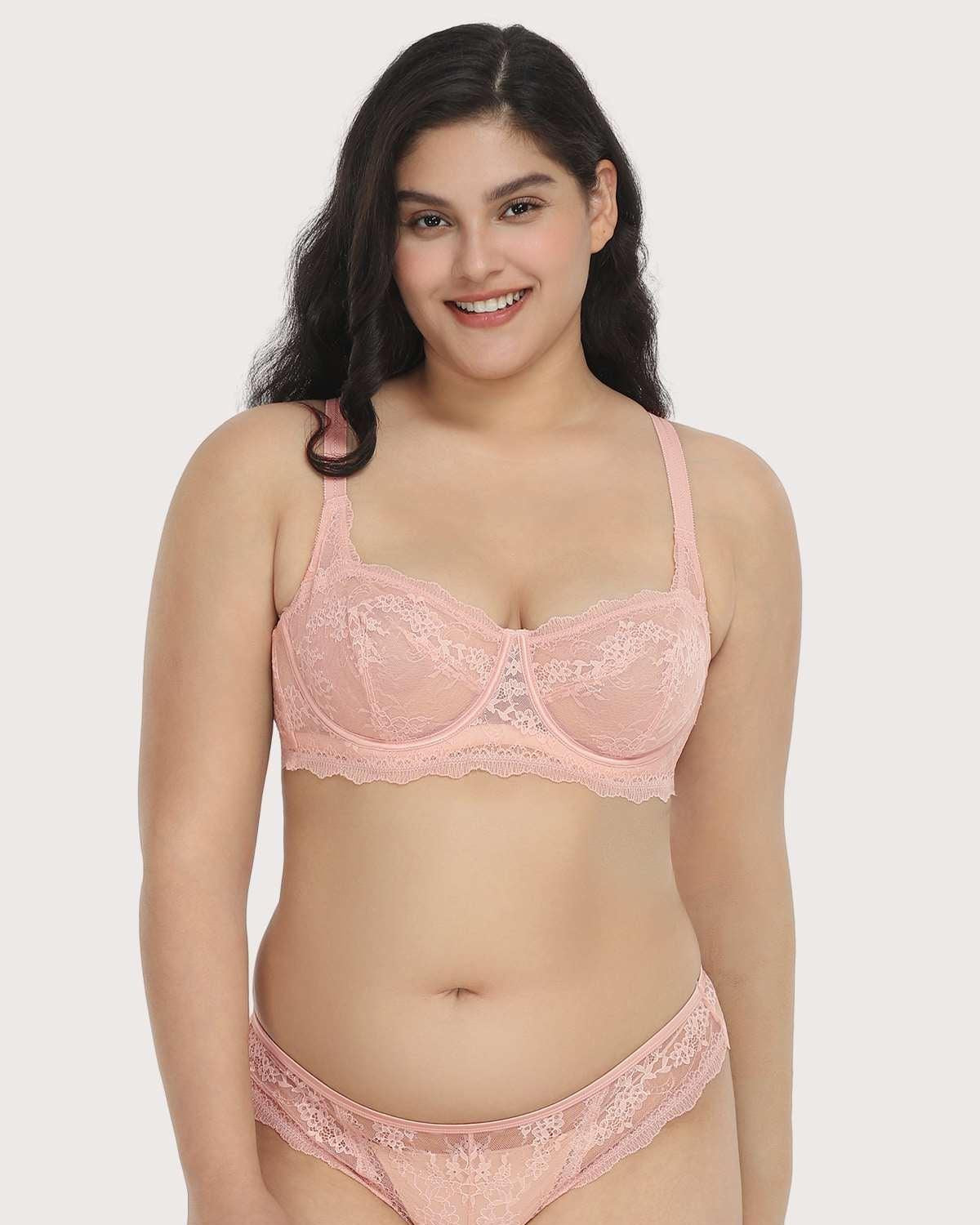
For a lighter feel, explore lace bras and look for unlined cups. If button-down shirts tend to pull across your bust, try a minimizer bra for a lower-profile shape.
Find your band and cup size
Measure around your rib cage and the fullest part of your bust, then use our bra size guide to find a starting size. When you try on a bra, check that the band stays level and the cups contain your bust comfortably.
Frequently Asked Questions
Which cup sizes fall between DD and I?
HSIA lists DD/E, DDD/F, G, H and I. Choose your band size as well as your cup size when checking a style.
How should the band fit on a fuller-bust bra?
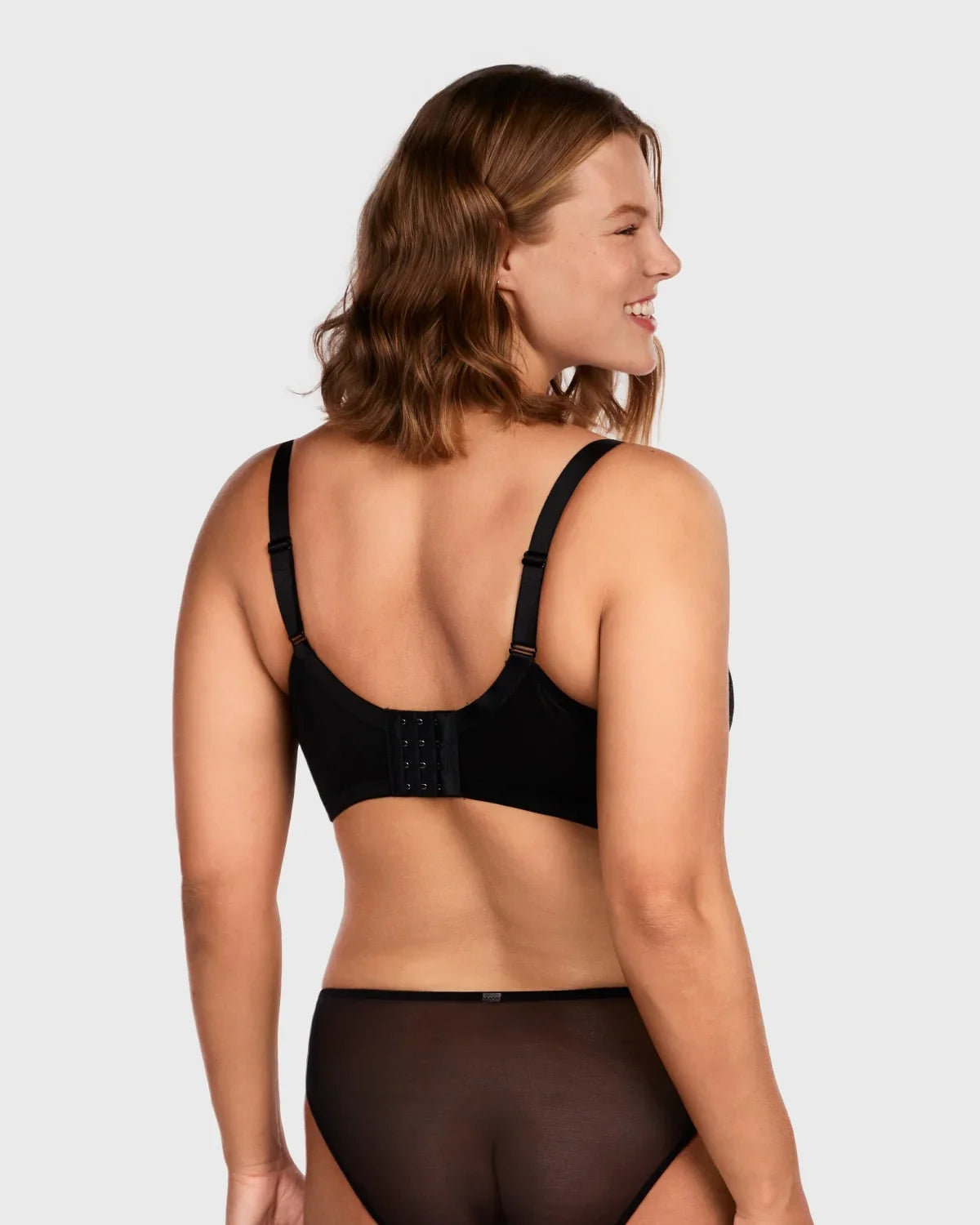
Fasten a new bra on its loosest hook. The band should sit level around your body and feel snug enough to stay in place when you raise your arms.
Is DDD the same as F on HSIA bras?
Yes. HSIA labels this cup DDD/F. For example, if you wear a 36DDD in HSIA sizing, select band 36 and cup DDD/F.
How can I tell if I need a larger cup?
If the band feels comfortable but the cup edge cuts in or the wire sits on breast tissue, try the next cup size in the same band. If the gap or pressure is only in one spot, a different cup shape may fit better.
Can I get support without padded cups?
Yes. In an unlined bra, the band, cup seams and fabric provide structure. Look for a snug band and cups that follow your shape without digging in.